📚 Learn, Apply, Win
Explore articles designed to spark ideas, share knowledge, and keep you updated on what’s new.
Prova virtuale basata sull'intelligenza artificiale di Google è una funzionalità di Google Shopping che utilizza AI generativa per mostrare l'aspetto di un capo specifico su un modello reale che corrisponde alle preferenze dell'acquirente.
Gli utenti possono scegliere tra 40 modelli che variano in:
Questo aiuta gli acquirenti a prendere decisioni di acquisto più sicure senza recarsi in un negozio fisico, risolvendo uno dei maggiori punti di attrito nello shopping di abbigliamento online: incertezza sulla vestibilità e sull'aspetto.
Copertura attuale:
Google ha riferito che i prodotti con la prova virtuale abilitata hanno ricevuto coinvolgimento di qualità significativamente superiore, il che significa che gli acquirenti trascorrevano più tempo a interagire con quelle inserzioni ed erano più propensi a intraprendere azioni come fare clic o effettuare un acquisto.
Perché è importante per la strategia GEO e di e-commerce: Man mano che Google estende la prova virtuale ad altre categorie, i marchi che partecipano al programma forniscono immagini di prodotto standardizzate e di alta qualità trarrà beneficio da segnali di coinvolgimento più forti e da un maggiore potenziale di conversione. Questa funzione è un chiaro indicatore che la qualità dei contenuti visivi sta diventando un fattore di ranking in esperienze di acquisto basate sull'intelligenza artificiale.
RankWit analyzes your existing content and gives actionable, data-backed recommendations for improving your AI visibility. Suggestions include:
Large Language Models (LLMs) are AI systems trained on massive amounts of text data, from websites to books, to understand and generate language.
They use deep learning algorithms, specifically transformer architectures, to model the structure and meaning of language.
LLMs don't "know" facts in the way humans do. Instead, they predict the next word in a sequence using probabilities, based on the context of everything that came before it. This ability enables them to produce fluent and relevant responses across countless topics.
For a deeper look at the mechanics, check out our full blog post: How Large Language Models Work.
Tokenization is the process by which AI models, like GPT, break down text into small units—called tokens—before processing. These tokens can be as small as a single character or as large as a word or phrase. For example, the word “marketing” might be one token, while “AI-powered tools” could be split into several.
Why does this matter for GEO (Generative Engine Optimization)?
Because how well your content is tokenized directly impacts how accurately it’s understood and retrieved by AI. Poorly structured or overly complex writing may confuse token boundaries, leading to missed context or incorrect responses.
✅ Clear, concise language = better tokenization
✅ Headings, lists, and structured data = easier to parse
✅ Consistent terminology = improved AI recall
In short, optimizing for GEO means writing not just for readers or search engines, but also for how the AI tokenizes and interprets your content behind the scenes.
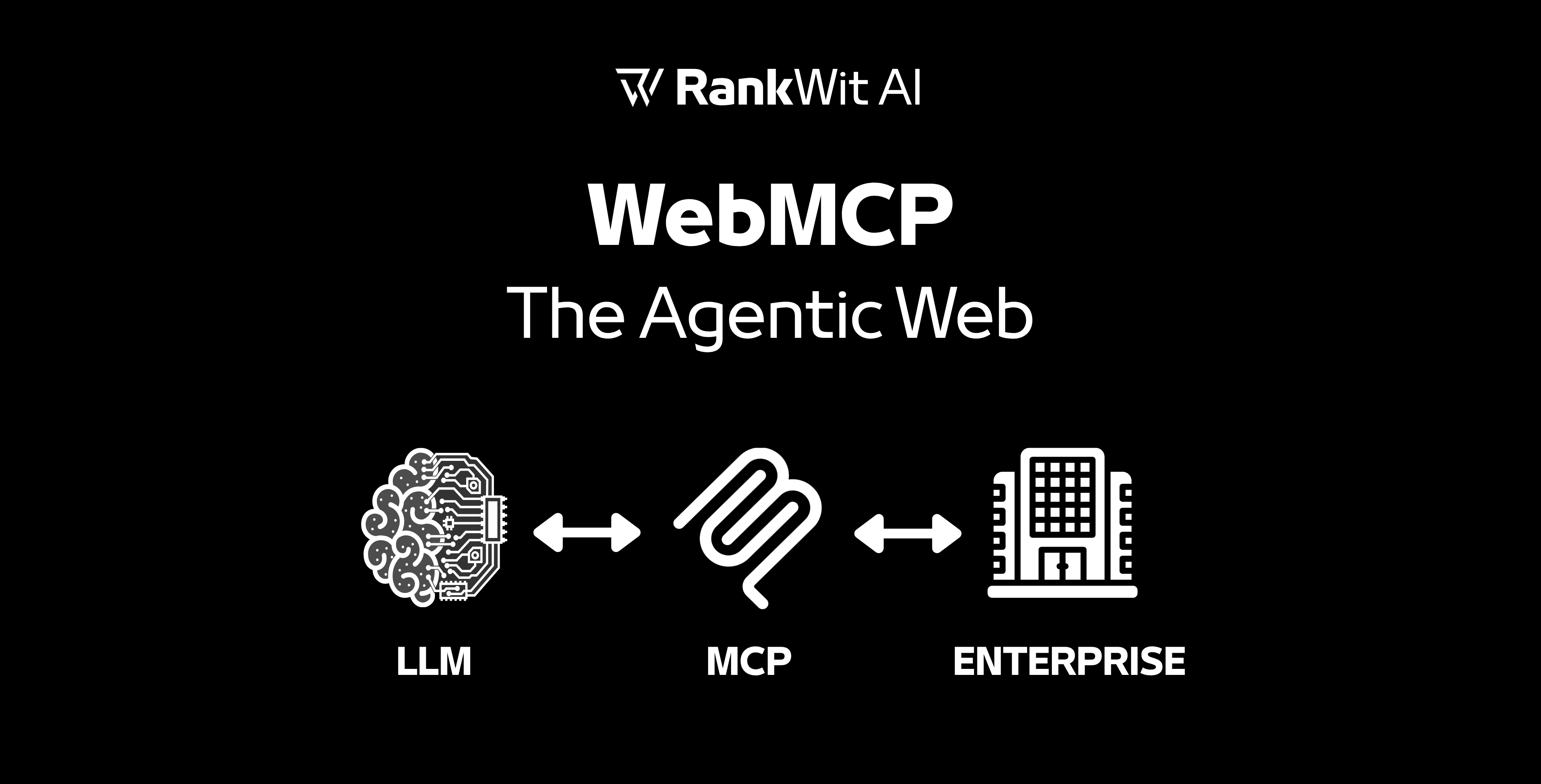
We are moving from a web of pixels to a web of actions.
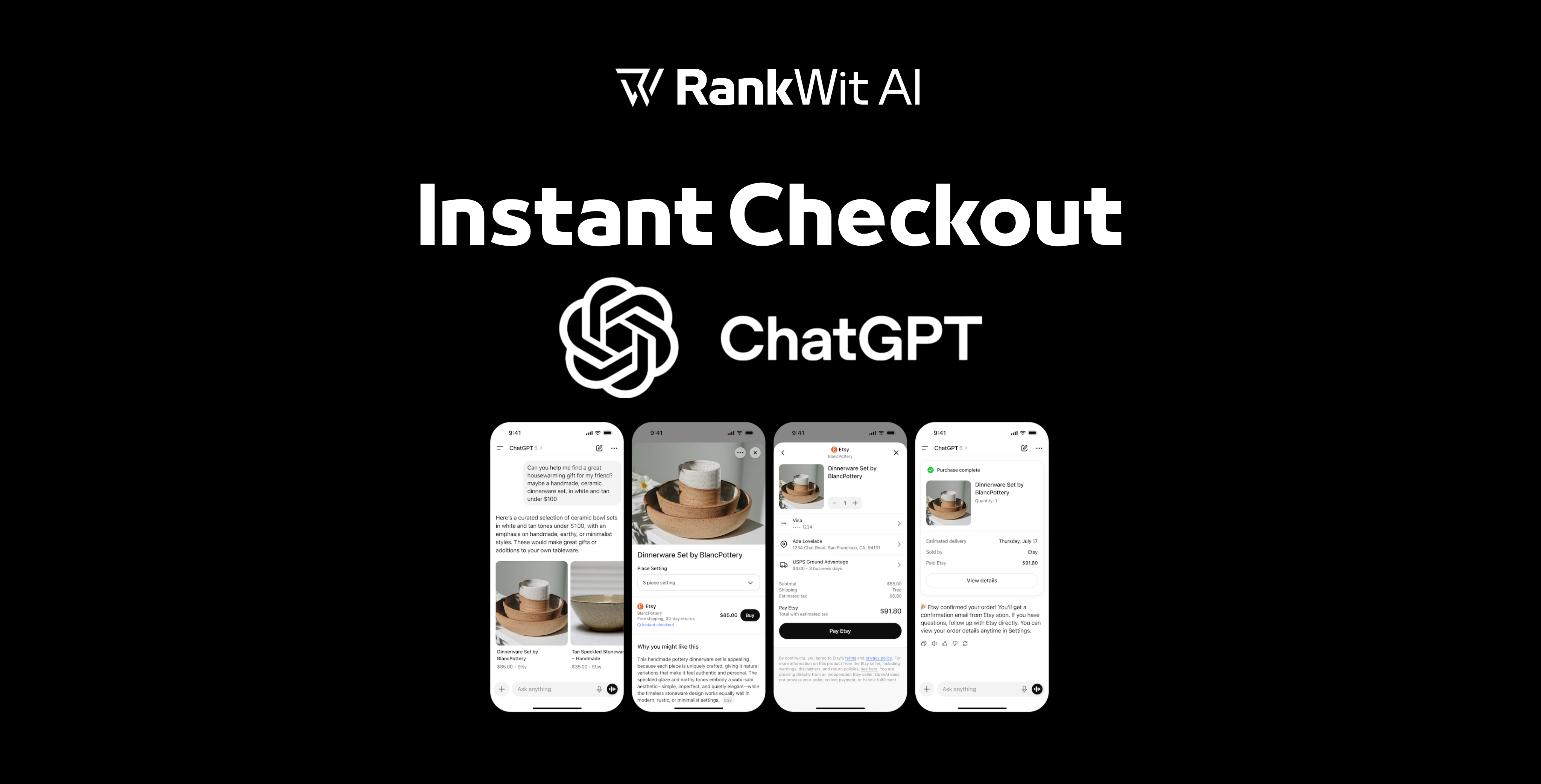
Your privacy remains a priority when using Shopping Research.
ChatGPT does not send your personal information, queries, or preferences to retailers or third-party sites.
The tool simply gathers publicly available product information online, such as specifications, reviews, and prices, and organizes it into a personalized buyer’s guide for you.
You stay in full control, and no personal data is exchanged during the process.
Google's Generative AI Shopping is a set of capabilities within Google's Search Generative Experience (SGE) that transforms product discovery from a keyword-based process into a visual, conversational one.
Instead of scrolling through pages of blue links, users can now:
This approach is particularly powerful for apparel and fashion, where traditional keyword search often fails to capture the specificity of what a shopper has in mind. According to Google's internal data, 20% of apparel queries are five words or longer, a type of search that generative AI handles far more effectively than conventional engines.
Why it matters for GEO: Content and product listings that are well-structured, semantically rich, and paired with high-quality imagery are more likely to be surfaced in these AI-generated shopping results. Optimizing for this new discovery layer is now a core part of any AI visibility strategy.
The transformer is the foundational architecture behind modern LLMs like GPT. Introduced in a groundbreaking 2017 research paper, transformers revolutionized natural language processing by allowing models to consider the entire context of a sentence at once, rather than just word-by-word sequences.
The key innovation is the attention mechanism, which helps the model decide which words in a sentence are most relevant to each other, essentially mimicking how humans pay attention to specific details in a conversation.
Transformers make it possible for LLMs to generate more coherent, context-aware, and accurate responses.
This is why they're at the heart of most state-of-the-art language models today.
RankWit plans are designed to scale with your needs:
If you’re unsure, we can help you select the best plan based on your tracking volume and team size.