What strategies help improve how large language models retrieve and interpret website content?

Content optimized for LLMs should include clear headings, well-organized information, and strong semantic relationships between topics. Providing accurate and structured information helps language models retrieve and use content more effectively.

Last updated at  
April 13, 2026
Other FAQ
How are large language models used in modern search engines, digital platforms, and AI-powered applications?
Arrow

Large language models power many modern technologies, including AI assistants, conversational search systems, automated content generation, and customer support tools. Their ability to interpret natural language allows digital platforms to deliver more intelligent and interactive experiences.

Read More
ArrowArrow right blue
How can Rankwit help my business integrate with ChatGPT’s Agentic Commerce Protocol?
Arrow

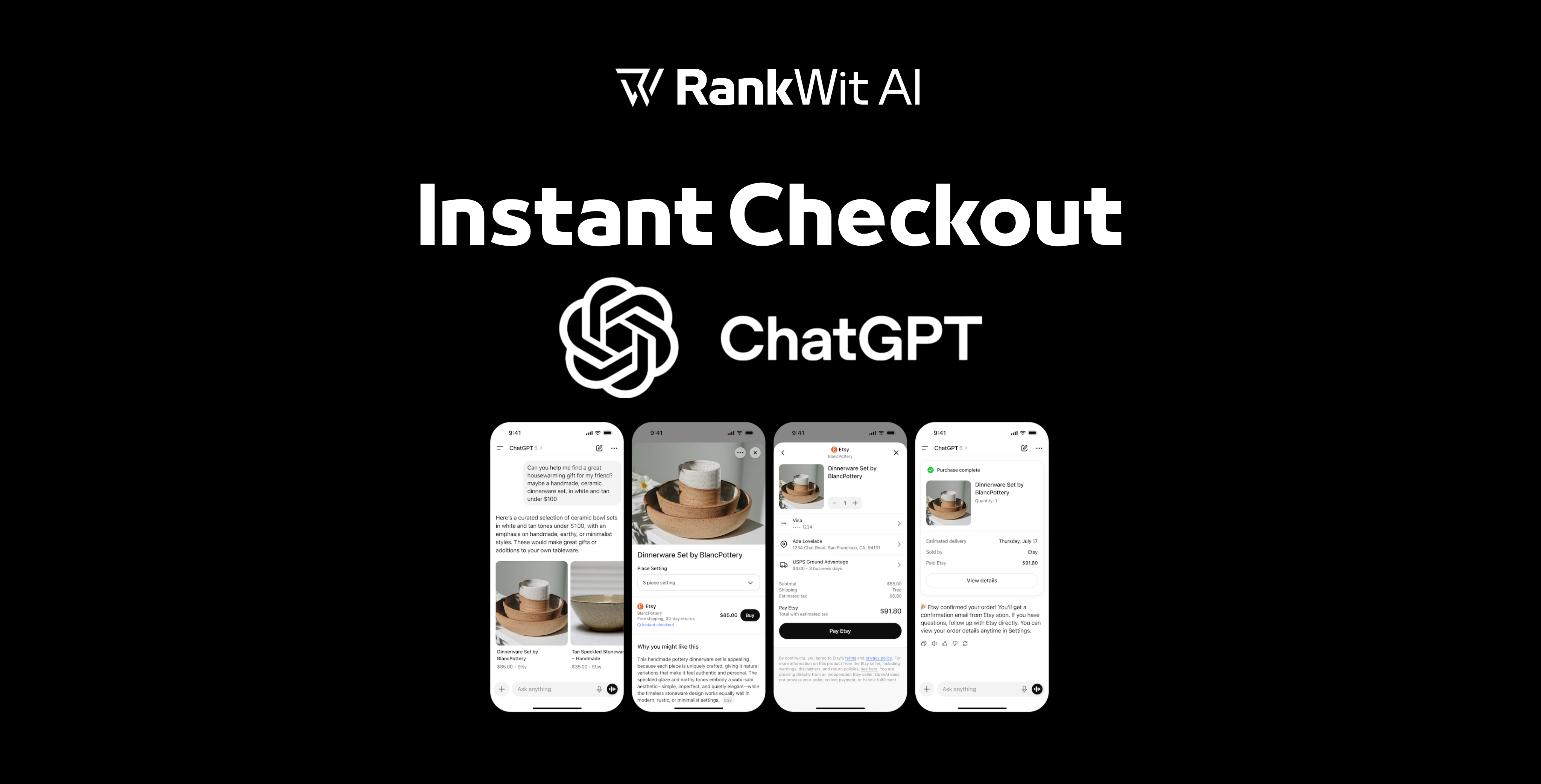
At Rankwit, we specialize in helping merchants take advantage of OpenAI’s Agentic Commerce Protocol (ACP).
Our team manages the entire integration lifecycle, from mapping your product catalog to OpenAI’s structured feed specification, to building the checkout API endpoints and connecting secure payment providers like Stripe.

By partnering with Rankwit, your business can:

  • Launch AI-powered conversational shopping experiences inside ChatGPT.
  • Achieve full compliance with OpenAI and PCI DSS standards.
  • Gain an unfair competitive advantage by adopting this technology before it becomes mainstream.

We tailor solutions to both enterprise and custom e-commerce platforms, ensuring a scalable and future-ready architecture.

Read More
ArrowArrow right blue
What key trends are shaping the future of search engines as large language models become more widely integrated?
Arrow

As large language models become integrated into search engines, major trends include conversational search interfaces, AI-generated summaries, deeper semantic understanding, and more personalized results. These changes are redefining how users interact with search platforms.

Read More
ArrowArrow right blue
Why are brand mentions and media coverage important for visibility in AI-driven search environments?
Arrow

AI-powered search systems analyze brand mentions, citations, and references across the web to evaluate credibility. When a brand is consistently mentioned by authoritative sources, it becomes easier for AI systems to recognize its expertise and include it in search results or generated answers.

Read More
ArrowArrow right blue
What types of metrics are most useful for evaluating performance in AI-driven search environments?
Arrow

AI search performance metrics are the new frontier for digital marketers. As generative engines like Gemini and Search Generative Experience (SGE) redefine how users find information, relying solely on legacy SEO tracking is no longer enough. To succeed, you must measure how AI models perceive, rank, and cite your content.

1. Subjective ImpressionThis metric evaluates how well your content answers user queries compared to competitors. AI models assess the relevance, completeness, and accuracy of your content. A high score signifies that your content provides comprehensive answers that LLMs deem most helpful to the user.

2. Position ScoreSimilar to traditional SERP rankings, the Position Score measures how high your website ranks within the AI’s generated response. Calculated by your average ranking position (1st, 2nd, 3rd), a higher position directly correlates with increased user trust and higher click-through potential from AI citations.

3. Share of Voice (SoV)In the context of GEO, Share of Voice measures the percentage of queries where your website is mentioned or cited in the AI's response. A dominant SoV indicates broad topical authority and ensures your brand remains "top of mind" for the AI across various related search strings.

4. Consistency ScoreBecause users interact with various models (Perplexity, ChatGPT, Gemini), the Consistency Score is vital. It tracks the similarity of your rankings and mentions across multiple platforms. High consistency ensures that your brand’s authority is recognized universally, regardless of the specific AI model used.

Read More
ArrowArrow right blue
How can businesses use analytics insights to improve their SEO and AI search strategies over time?
Arrow

By studying analytics data, businesses can identify trends, user behavior patterns, and performance gaps. These insights allow them to continuously adjust their SEO and AI optimization strategies to improve visibility and engagement.

Read More
ArrowArrow right blue
How quickly can I expect results from using RankWit?
Arrow

The speed of results varies based on your content quality, industry competition, and update cycles of generative engines.

However, most RankWit users start seeing measurable improvements in AI visibility within a few weeks.

Early wins may include appearing in smaller AI citations or niche queries.

Over time, consistent optimization leads to stronger placement across multiple platforms.

Read More
ArrowArrow right blue
How often does RankWit update AI visibility data?
Arrow

RankWit refreshes your AI visibility data every 24 hours by default, ensuring you always have an accurate and up-to-date picture of how your brand appears across major AI platforms.

On top of this, depending on your plan:

  • Starter: Daily updates
  • Growth: Daily updates + priority refresh cycles
  • Enterprise: Real-time or custom-scheduled updates, ideal for large teams and high-volume monitoring needs

This update frequency ensures you can quickly spot changes in rankings, sentiment shifts, and competitor activity—allowing your team to respond proactively and maintain strong AI visibility.

Read More
ArrowArrow right blue
Why is optimizing product data and content important for visibility in AI-powered e-commerce search systems?
Arrow

AI-powered search engines rely on structured product information, clear descriptions, and relevant attributes to interpret and categorize products. Well-optimized product data improves visibility in search results and increases the chances of products being recommended to potential buyers.

Read More
ArrowArrow right blue
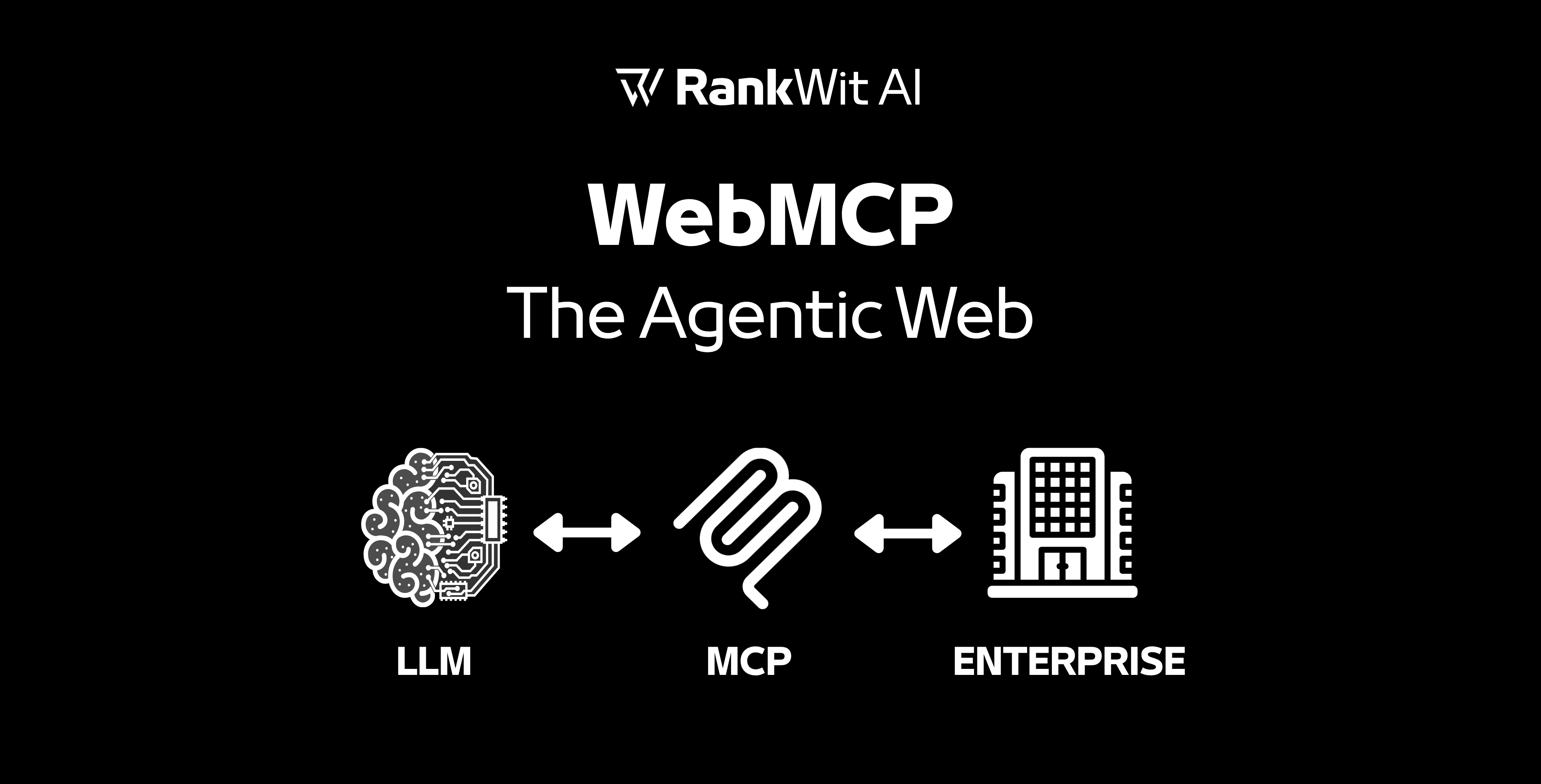
How does WebMCP differ from traditional web scraping when AI agents interact with websites?
Arrow

While traditional scraping is fragile and prone to breaking when a website's design changes, WebMCP provides a reliable "handshake" between the site and the AI.

  • Direct Access: Agents call specific functions (tools) instead of searching for buttons in code.
  • Resilience: Site layout changes don't break the integration as long as the underlying WebMCP schema remains the same.
  • Efficiency: It significantly reduces the tokens and compute power needed for an AI to "understand" a page

Read More
ArrowArrow right blue