📚 Learn, Apply, Win
Explore articles designed to spark ideas, share knowledge, and keep you updated on what’s new.
Most tourism organizations see measurable improvements in AI citations and recommendations within 30–60 days.
Full and cumulative results typically emerge between 90 and 180 days, depending on the initial positioning of the territories and the complexity of the target tourism markets.
We run your target traveler prompts across every major AI platform on a weekly basis, tracking exactly where and how your brand or destination is mentioned.
You receive a live dashboard showing: your AI Share of Voice compared to direct competitors; citation trends and brand sentiment; and which specific prompts are driving high-intent traffic to your official channels.
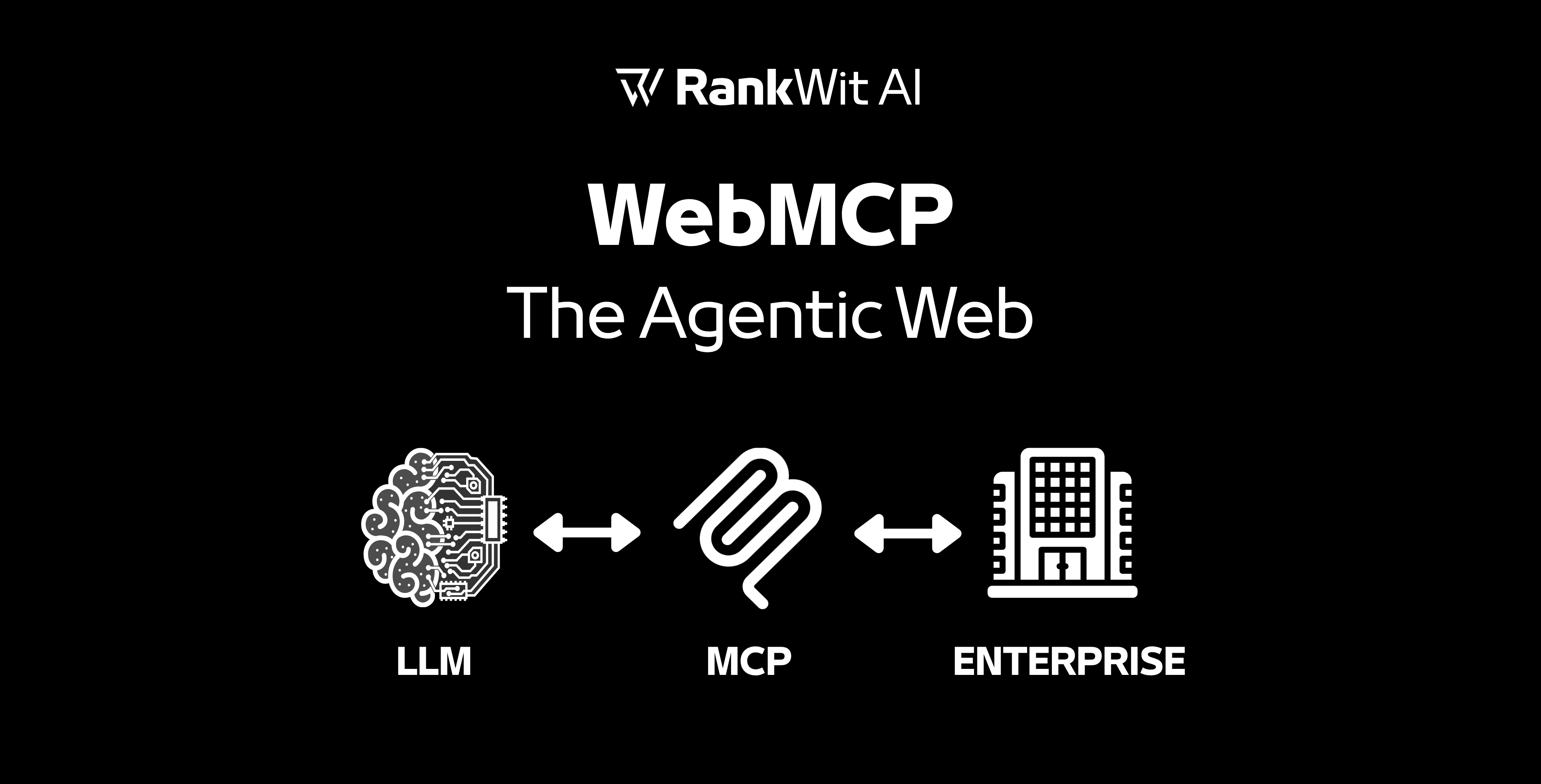
We are moving from a web of pixels to a web of actions.
While traditional scraping is fragile and prone to breaking when a website's design changes, WebMCP provides a reliable "handshake" between the site and the AI.
Tokenization is the process by which AI models, like GPT, break down text into small units—called tokens—before processing. These tokens can be as small as a single character or as large as a word or phrase. For example, the word “marketing” might be one token, while “AI-powered tools” could be split into several.
Why does this matter for GEO (Generative Engine Optimization)?
Because how well your content is tokenized directly impacts how accurately it’s understood and retrieved by AI. Poorly structured or overly complex writing may confuse token boundaries, leading to missed context or incorrect responses.
✅ Clear, concise language = better tokenization
✅ Headings, lists, and structured data = easier to parse
✅ Consistent terminology = improved AI recall
In short, optimizing for GEO means writing not just for readers or search engines, but also for how the AI tokenizes and interprets your content behind the scenes.
RAG (Retrieval-Augmented Generation) is a cutting-edge AI technique that enhances traditional language models by integrating an external search or knowledge retrieval system. Instead of relying solely on pre-trained data, a RAG-enabled model can search a database or knowledge source in real time and use the results to generate more accurate, contextually relevant answers.
For GEO, this is a game changer.
GEO doesn't just respond with generic language—it retrieves fresh, relevant insights from your company’s knowledge base, documents, or external web content before generating its reply. This means:
By combining the strengths of generation and retrieval, RAG ensures GEO doesn't just sound smart—it is smart, aligned with your source of truth.