How quickly can I expect results from using RankWit?

The speed of results varies based on your content quality, industry competition, and update cycles of generative engines.

However, most RankWit users start seeing measurable improvements in AI visibility within a few weeks.

Early wins may include appearing in smaller AI citations or niche queries.

Over time, consistent optimization leads to stronger placement across multiple platforms.

Last updated at  
April 13, 2026
Other FAQ
What types of content structures help AI systems better understand and reference website content?
Arrow

Content designed for generative search engines should use clear headings, logical structure, concise explanations, and entity-focused information. This structure helps AI systems extract key insights and increases the chances of the content being referenced in AI-generated responses.

Read More
ArrowArrow right blue
How can websites structure their content so it can be effectively retrieved and used by Retrieval-Augmented Generation systems?
Arrow

Content that is well-structured, informative, and organized around clear topics is easier for retrieval systems to access and use. Structured headings, semantic clarity, and authoritative information increase the chances that content will be retrieved and used by AI systems during response generation.

Read More
ArrowArrow right blue
What are model optimization techniques and why are they important for improving the performance of AI systems and language models?
Arrow

Model optimization techniques are strategies used to improve the performance, speed, and efficiency of artificial intelligence models. These techniques help AI systems process information more accurately while reducing computational costs and improving scalability.

Read More
ArrowArrow right blue
What role does WebMCP play in Retrieval-Augmented Generation (RAG) and real-time search?
Arrow

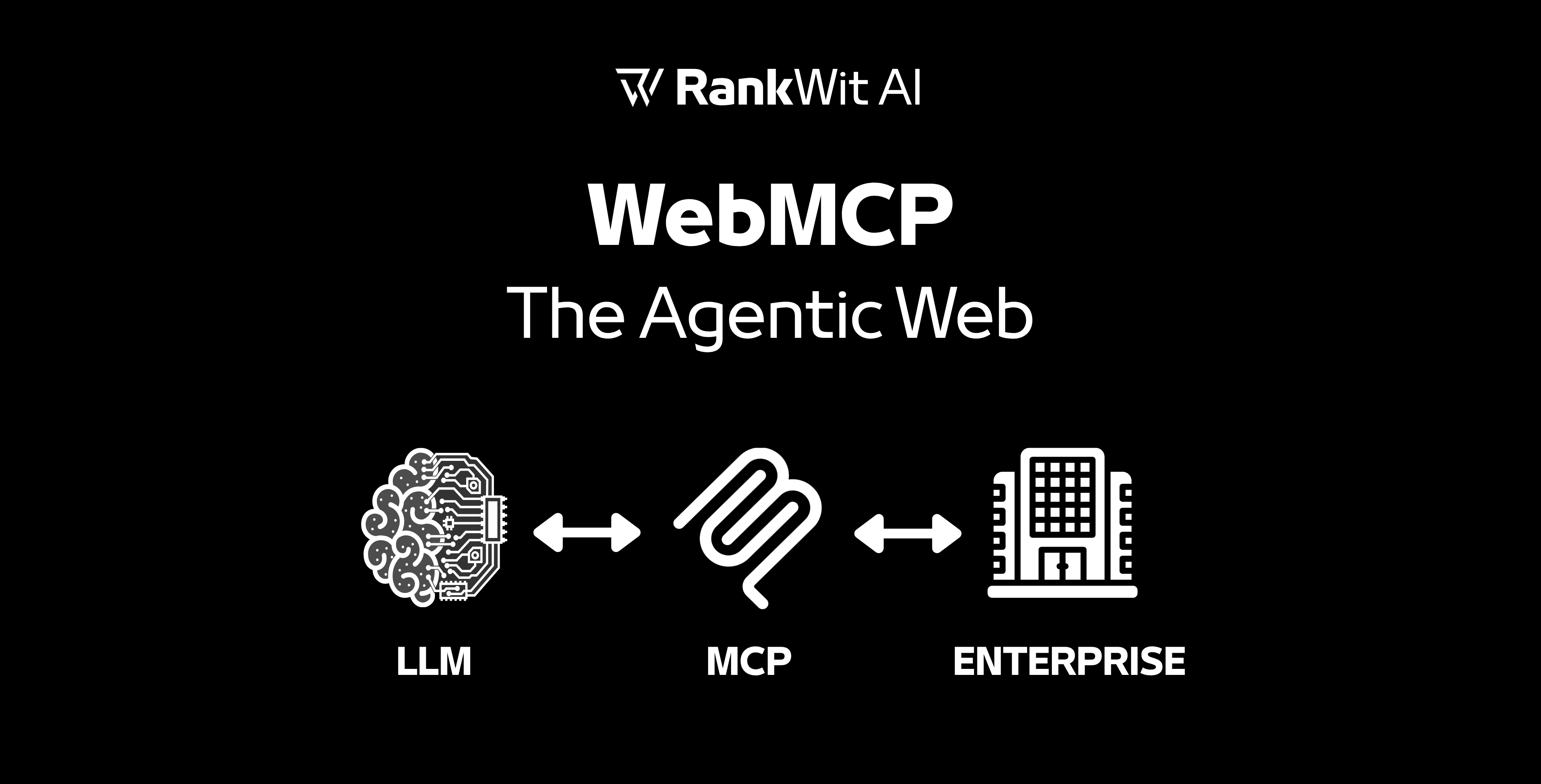
Traditional LLMs are limited by their training data "cutoff" dates. WebMCP bridges this gap by enabling Dynamic Context Injection:

  • The model identifies it needs live data (e.g., "What is the current inventory of Product X?").
  • It uses the WebMCP bidirectional channel to query the server.
  • The server returns structured data, which the AI then uses to generate an accurate, up-to-the-minute response.

Read More
ArrowArrow right blue
What role will generative AI and conversational search experiences play in the future of online search?
Arrow

Conversational search uses AI to understand complex questions and provide direct answers instead of just listing links. This shift allows users to ask follow-up questions, explore topics in depth, and receive more personalized results.

Read More
ArrowArrow right blue
Does ChatGPT share my personal data with retailers when using Shopping Research?
Arrow

Your privacy remains a priority when using Shopping Research.
ChatGPT does not send your personal information, queries, or preferences to retailers or third-party sites.

The tool simply gathers publicly available product information online, such as specifications, reviews, and prices, and organizes it into a personalized buyer’s guide for you.

You stay in full control, and no personal data is exchanged during the process.

Read More
ArrowArrow right blue
How long does it take to see measurable results from AI Optimization?
Arrow

Most travel entities record measurable improvements in AI citations and recommendations within 30–60 days.

Full, cumulative results typically emerge between 90 and 180 days, depending on your brand's starting authority and the competitiveness of your specific market or destination.

Read More
ArrowArrow right blue
What key trends are shaping the future of search engines as large language models become more widely integrated?
Arrow

As large language models become integrated into search engines, major trends include conversational search interfaces, AI-generated summaries, deeper semantic understanding, and more personalized results. These changes are redefining how users interact with search platforms.

Read More
ArrowArrow right blue
How does the "Shop Similar" feature work inside Google's AI-powered search results?
Arrow

The "Shop Similar" feature is one of the most commercially significant additions to Google's Search Generative Experience. It bridges the gap between inspiration and purchase in a single, seamless flow.

Here's how it works:

  1. A user searches for a product or generates an AI image of what they want.
  2. Google's system analyzes the visual and semantic attributes of that image.
  3. Matching real products from the Shopping Graph appear immediately below, including pricing, seller information, ratings, and product photos.

The user never needs to reformulate their query, run a reverse image search, or navigate to a separate shopping tab. The entire journey, from idea to purchasable product, happens within the search interface.

Key distinction: The matching logic is visual and semantic, not purely keyword-driven. This means that the quality and accuracy of product imagery now plays a direct role in whether a product appears in these AI-matched results.

What this means for retailers: Products that are well-represented in Google's Shopping Graph, with accurate metadata, competitive pricing, and high-resolution imagery, are far more likely to be surfaced. Brands that invest in structured product data and visual quality will have a measurable advantage in this new shopping experience.

Read More
ArrowArrow right blue
What key factors help content perform well in generative search engines and AI answer systems?
Arrow

Content that performs well in generative search environments is usually well-structured, informative, and built around clear topics and entities. Providing reliable information, logical content organization, and strong authority signals helps AI systems understand and reference the content more effectively.

Read More
ArrowArrow right blue

📚 Learn, Apply, Win

Stay inspired with the latest stories, tips, and insights.
Explore articles designed to spark ideas, share knowledge, and keep you updated on what’s new.