Can we continue working with our communication agency or our internal team?

Of course. RankWit works alongside your current team, whether internal or external. We manage the visibility layer on AI platforms (AIO), which traditional marketing agencies are not yet equipped to cover. We share every data point and action taken so that the organization maintains full strategic control over the territory’s narrative.

Last updated at  
April 27, 2026
Other FAQ
What kind of optimization recommendations does RankWit provide?
Arrow

RankWit analyzes your existing content and gives actionable, data-backed recommendations for improving your AI visibility. Suggestions include:

  • Rewriting sentences to be more concise and AI-parsable
  • Restructuring content into formats AI engines prefer (e.g., lists, FAQs, summaries)
  • Highlighting authority signals, such as including stats, sources, or clear claims
    These optimizations are designed to increase the chances that AI platforms surface your content over competitors’.

Read More
ArrowArrow right blue
How are RankWit credits calculated?
Arrow

Credits determine how much AI tracking you perform.
A single credit = 1 prompt × 1 AI model.

For example:

  • 10 prompts
  • × 3 AI models (ChatGPT, Google AI Overview, Perplexity)
    = 30 credits

This transparent system ensures you only pay for the tracking you use.

Read More
ArrowArrow right blue
Why are industry case studies important for understanding how AI-driven search and SEO strategies work in real-world scenarios?
Arrow

Industry case studies provide real-world examples of how SEO, AI search optimization, and digital strategies perform across different sectors. They help businesses understand what works, what challenges may arise, and how similar organizations have improved their search visibility and online performance.

Read More
ArrowArrow right blue
Why is AI content optimization becoming essential for businesses that want to stay competitive in search and digital marketing?
Arrow

AI content optimization enables businesses to produce more accurate, targeted, and user-focused content. By leveraging AI insights, companies can adapt their content strategies faster, improve search performance, and meet the evolving requirements of modern search engines.

Read More
ArrowArrow right blue
What role do business data, reviews, and structured information play in AI-powered local search results?
Arrow

AI-powered local search systems rely on signals such as business details, customer reviews, structured data, and location relevance. These signals help AI understand which businesses are trustworthy and relevant for specific local queries, improving their chances of being recommended in search results.

Read More
ArrowArrow right blue
What insights can industry case studies provide about the impact of AI on search visibility and digital marketing?
Arrow

Industry case studies highlight how AI technologies influence search rankings, content visibility, and user engagement. They demonstrate how companies adapt their strategies to new search technologies and provide measurable insights into the impact of AI-driven optimization.

Read More
ArrowArrow right blue
Why is entity-based content and semantic SEO becoming essential for B2B search visibility in AI-driven search environments?
Arrow

Entity-based SEO helps AI systems understand who a company is, what it offers, and how it relates to other concepts in an industry. For B2B organizations, strengthening entity signals and semantic relationships increases the likelihood of being recognized as an authoritative source in AI-generated search results.

Read More
ArrowArrow right blue
How long does it take to see measurable results from AI Optimization?
Arrow

Most travel entities record measurable improvements in AI citations and recommendations within 30–60 days.

Full, cumulative results typically emerge between 90 and 180 days, depending on your brand's starting authority and the competitiveness of your specific market or destination.

Read More
ArrowArrow right blue
How are large language models used in modern search engines, digital platforms, and AI-powered applications?
Arrow

Large language models power many modern technologies, including AI assistants, conversational search systems, automated content generation, and customer support tools. Their ability to interpret natural language allows digital platforms to deliver more intelligent and interactive experiences.

Read More
ArrowArrow right blue
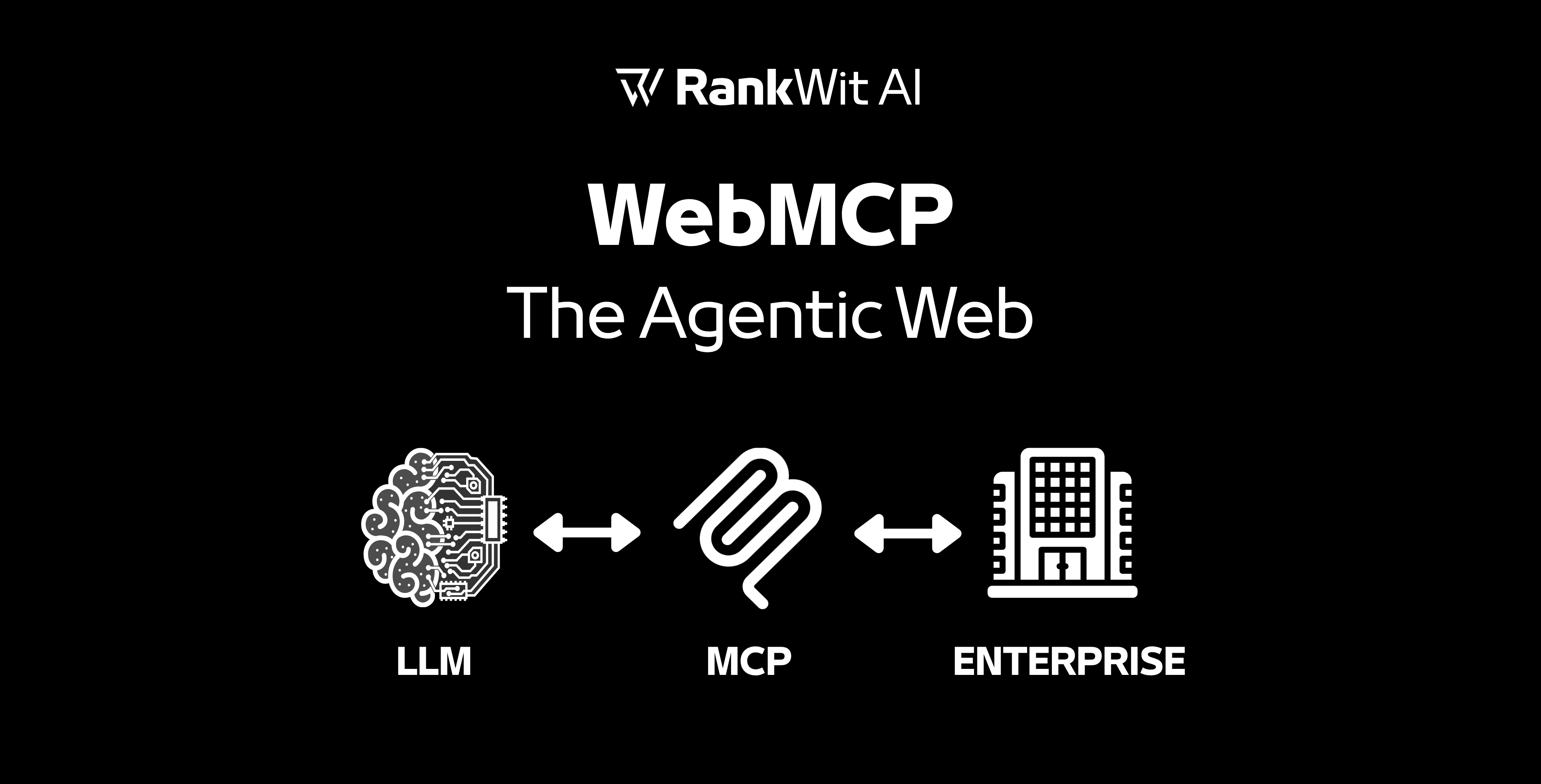
How does WebMCP handle user privacy and prevent AI agents from performing unauthorized actions?
Arrow

Security is baked into the protocol's core. Unlike "headless" automation, WebMCP operates within the user’s current browser session:

  • Consent Gate: The browser acts as a gatekeeper, prompting the user to approve tool calls.
  • Scoped Access: AI agents only see the specific tools the developer has explicitly registered via the webmcp-tools suite.
  • Authentication: It leverages the site's existing login and security protocols, ensuring the AI never bypasses standard safety measures.

Read More
ArrowArrow right blue

📚 Learn, Apply, Win

Stay inspired with the latest stories, tips, and insights.
Explore articles designed to spark ideas, share knowledge, and keep you updated on what’s new.