How is artificial intelligence changing the way local search results are generated and how users discover nearby businesses?

Artificial intelligence is transforming local search by analyzing context, location signals, and user intent more accurately. AI-powered systems can recommend nearby businesses, summarize reviews, and deliver more personalized results, making it easier for users to discover relevant local services.

Last updated at  
April 13, 2026
Other FAQ
What key factors help content perform well in generative search engines and AI answer systems?
Arrow

Content that performs well in generative search environments is usually well-structured, informative, and built around clear topics and entities. Providing reliable information, logical content organization, and strong authority signals helps AI systems understand and reference the content more effectively.

Read More
ArrowArrow right blue
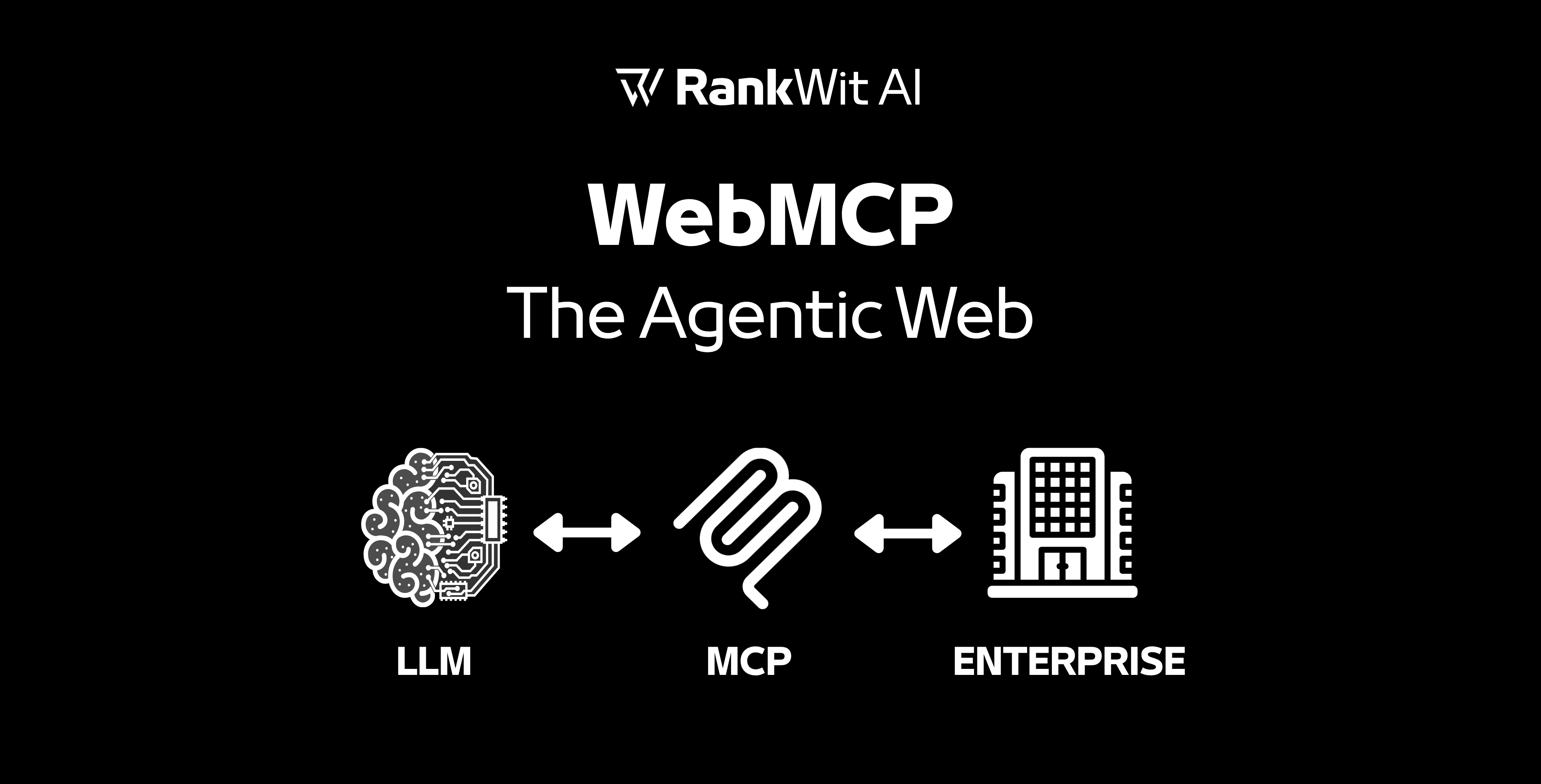
How does WebMCP handle user privacy and prevent AI agents from performing unauthorized actions?
Arrow

Security is baked into the protocol's core. Unlike "headless" automation, WebMCP operates within the user’s current browser session:

  • Consent Gate: The browser acts as a gatekeeper, prompting the user to approve tool calls.
  • Scoped Access: AI agents only see the specific tools the developer has explicitly registered via the webmcp-tools suite.
  • Authentication: It leverages the site's existing login and security protocols, ensuring the AI never bypasses standard safety measures.

Read More
ArrowArrow right blue
How is artificial intelligence transforming the way customers search for and discover products in e-commerce platforms?
Arrow

Artificial intelligence is improving e-commerce search by understanding user intent, preferences, and behavior. AI systems can recommend relevant products, interpret natural language queries, and personalize results, helping customers discover products more efficiently.

Read More
ArrowArrow right blue
How should businesses adapt their content strategies so AI systems can better understand, interpret, and reference their information?
Arrow

To optimize content for AI systems, businesses should focus on clear structure, semantic relevance, and well-defined topics. Content that is logically organized and built around recognized entities helps AI models interpret and reference information more accurately.

Read More
ArrowArrow right blue
Can I track multiple websites or brands?
Arrow

Absolutely. RankWit supports multi-website and multi-brand tracking:

  • Free: 1 website
  • Starter: up to 3website
  • Growth: Up to 10 websites
  • Business: Up to 50 websites
  • Enterprise: Unlimited websites

This makes RankWit ideal for agencies, SEO teams, or businesses managing multiple properties in one centralized dashboard.

Read More
ArrowArrow right blue
How do search engines and AI systems analyze user behavior to better understand search intent and deliver relevant results?
Arrow

Search engines and AI systems analyze factors such as search queries, user behavior, location, and context to determine what users are really looking for. This helps them deliver more relevant results and improve the overall search experience.

Read More
ArrowArrow right blue
What is LLM optimization and how does it help content become more understandable for large language models?
Arrow

LLM optimization involves structuring and writing content so large language models can easily understand, process, and reference it. This includes clear explanations, logical structure, semantic context, and reliable information that AI systems can interpret accurately.

Read More
ArrowArrow right blue
What are the main benefits of combining traditional SEO strategies with artificial intelligence technologies?
Arrow

Combining SEO with AI technologies allows businesses to automate data analysis, uncover deeper insights, and optimize strategies faster. This integration helps improve content relevance, understand user behavior, and adapt to evolving search engine algorithms.

Read More
ArrowArrow right blue
What are the main types of search intent and how do they influence SEO and content strategies?
Arrow

Search intent is commonly divided into informational, navigational, commercial, and transactional categories. Recognizing these intent types helps businesses design content that aligns with user goals, improving visibility and engagement in search results.

Read More
ArrowArrow right blue
What key trends are shaping the future of search engines as large language models become more widely integrated?
Arrow

As large language models become integrated into search engines, major trends include conversational search interfaces, AI-generated summaries, deeper semantic understanding, and more personalized results. These changes are redefining how users interact with search platforms.

Read More
ArrowArrow right blue