📚 Learn, Apply, Win
Explore articles designed to spark ideas, share knowledge, and keep you updated on what’s new.
To optimize content for AI systems, businesses should focus on clear structure, semantic relevance, and well-defined topics. Content that is logically organized and built around recognized entities helps AI models interpret and reference information more accurately.
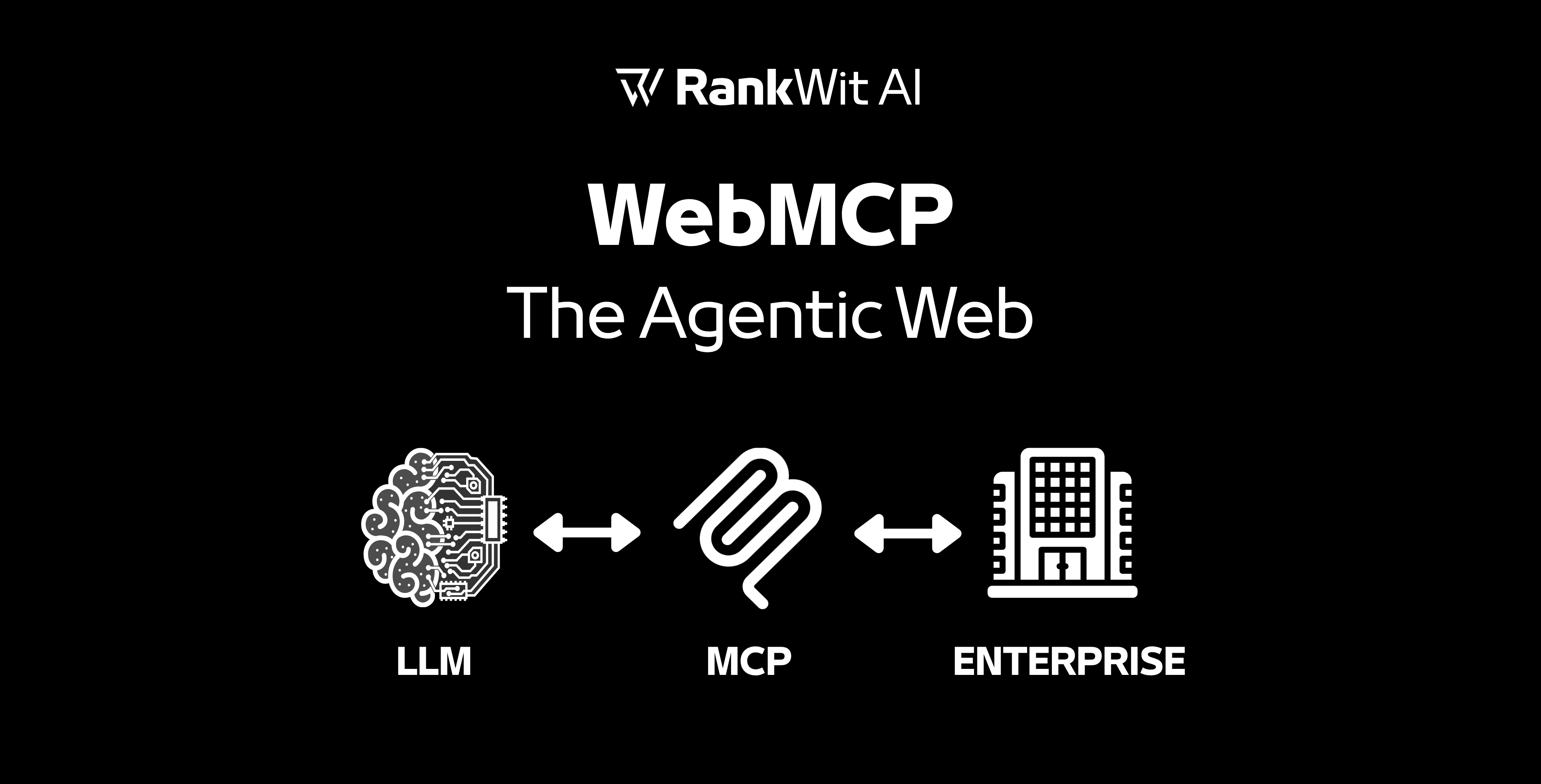
We are moving from a web of pixels to a web of actions.
Compliance with the EU AI Act is fundamental to our search strategy. We help brands adapt to the new 2026 transparency obligations, ensuring their content is properly labeled and that their recommendation systems meet limited-risk standards—protecting both their reputation and visibility in international markets.
AI Search Optimization refers to the practice of structuring, formatting, and presenting digital content to ensure it is surfaced by AI systems—particularly large language models (LLMs)—in response to user queries.Choosing a clear, unified name for this emerging field is crucial because it shapes professional standards, guides tool development, informs marketing strategies, and fosters a cohesive community of practice. Without a consistent term, the industry risks fragmentation and inefficiency, much like early digital marketing faced before "SEO" was widely adopted.
RankWit continuously scans generative AI engines like ChatGPT, Gemini, and Perplexity to see if, when, and how your content is referenced. We then aggregate this data into an easy-to-read dashboard, showing: