What criteria should organizations use to evaluate and select the most suitable AI platform for scalability, performance, security, and long-term return on investment?

Within our ecosystem, we evaluate AI platforms based on real profitability criteria. We do not simply look for the most popular infrastructure, but for platforms that offer robust APIs, enterprise-grade data security, and native integration with existing systems to ensure immediate return on investment.

Last updated at  
April 13, 2026
Other FAQ
Why is optimizing product data and content important for visibility in AI-powered e-commerce search systems?
Arrow

AI-powered search engines rely on structured product information, clear descriptions, and relevant attributes to interpret and categorize products. Well-optimized product data improves visibility in search results and increases the chances of products being recommended to potential buyers.

Read More
ArrowArrow right blue
Why is Retrieval-Augmented Generation important for modern AI search systems and generative search engines?
Arrow

RAG allows AI systems to retrieve relevant content from trusted sources before generating responses. This improves the quality of answers in AI-powered search platforms and helps ensure that generated information is grounded in real data.

Read More
ArrowArrow right blue
How often does RankWit update AI visibility data?
Arrow

RankWit refreshes your AI visibility data every 24 hours by default, ensuring you always have an accurate and up-to-date picture of how your brand appears across major AI platforms.

On top of this, depending on your plan:

  • Starter: Daily updates
  • Growth: Daily updates + priority refresh cycles
  • Enterprise: Real-time or custom-scheduled updates, ideal for large teams and high-volume monitoring needs

This update frequency ensures you can quickly spot changes in rankings, sentiment shifts, and competitor activity—allowing your team to respond proactively and maintain strong AI visibility.

Read More
ArrowArrow right blue
How is optimizing for AI-driven search engines different from traditional search engine optimization?
Arrow

While traditional SEO focuses mainly on keyword rankings and search result positions, AI search optimization emphasizes context, meaning, and relationships between topics. This approach helps AI systems better understand content and deliver more accurate responses to users.

Read More
ArrowArrow right blue
What technical elements are most important when optimizing a website for AI-driven search engines?
Arrow

To optimize for AI-driven search, websites need clear technical foundations such as structured data, clean site architecture, fast loading times, and accessible content. These elements help search engines and AI models process and interpret the information more effectively.

Read More
ArrowArrow right blue
How does WebMCP differ from traditional web scraping when AI agents interact with websites?
Arrow

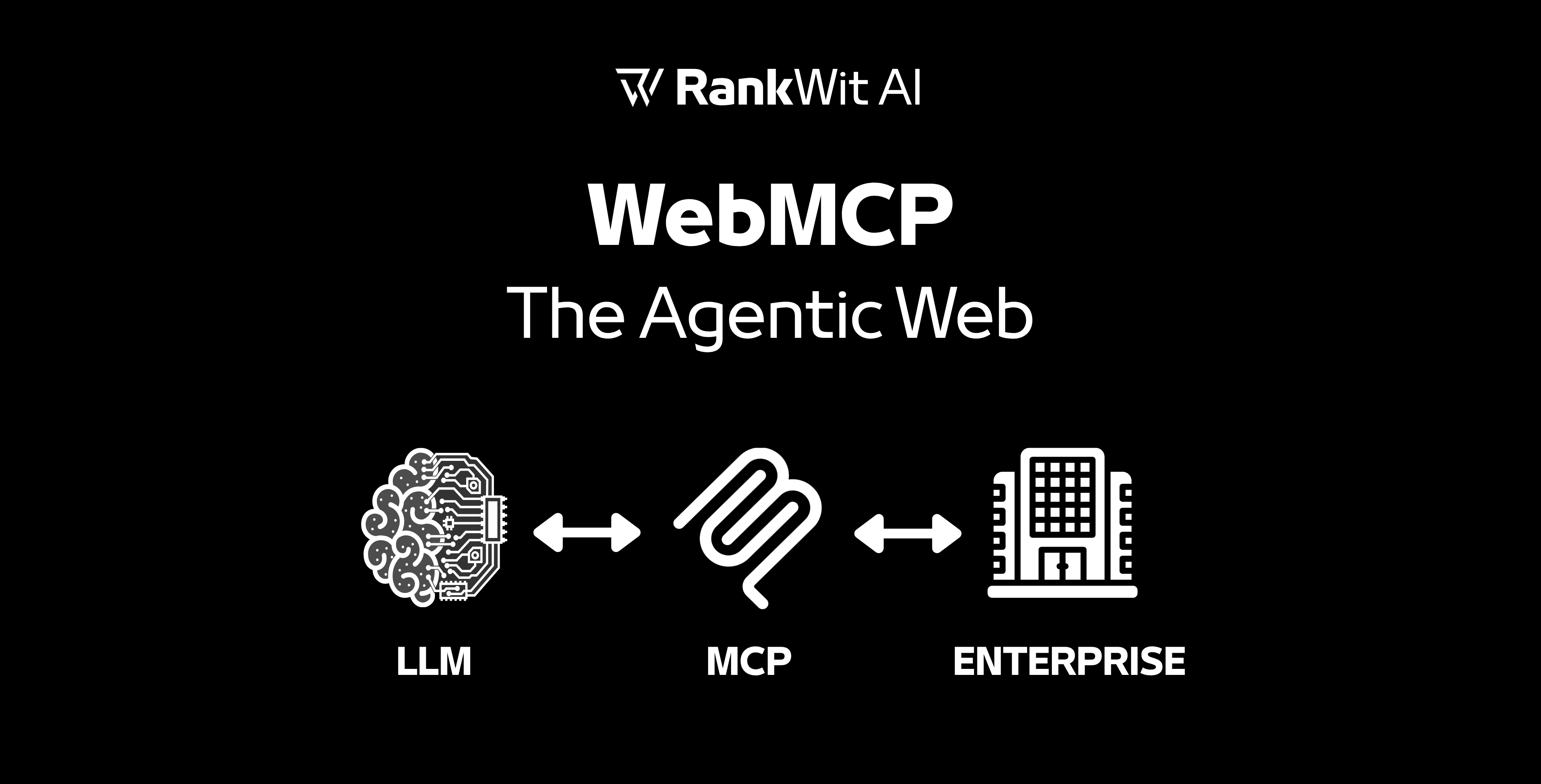
While traditional scraping is fragile and prone to breaking when a website's design changes, WebMCP provides a reliable "handshake" between the site and the AI.

  • Direct Access: Agents call specific functions (tools) instead of searching for buttons in code.
  • Resilience: Site layout changes don't break the integration as long as the underlying WebMCP schema remains the same.
  • Efficiency: It significantly reduces the tokens and compute power needed for an AI to "understand" a page

Read More
ArrowArrow right blue
Why is AI content optimization becoming essential for businesses that want to stay competitive in search and digital marketing?
Arrow

AI content optimization enables businesses to produce more accurate, targeted, and user-focused content. By leveraging AI insights, companies can adapt their content strategies faster, improve search performance, and meet the evolving requirements of modern search engines.

Read More
ArrowArrow right blue
Why is academic and industry literature important for understanding developments in AI, search technologies, and digital marketing?
Arrow

Academic and industry literature offers valuable research, analysis, and expert perspectives on emerging technologies and digital strategies. Reviewing this literature helps professionals stay informed about innovations, methodologies, and best practices in AI and search optimization.

Read More
ArrowArrow right blue
What is Generative Engine Optimization (GEO)?
Arrow

Generative Engine Optimization (GEO), also known as Large Language Model Optimization (LLMO), is the process of optimizing content to increase its visibility and relevance within AI-generated responses from tools like ChatGPT, Gemini, or Perplexity.

Unlike traditional SEO, which targets search engine rankings, GEO focuses on how large language models interpret, prioritize, and present information to users in conversational outputs. The goal is to influence how and when content appears in AI-driven answers.

Read More
ArrowArrow right blue
How does WebMCP handle user privacy and prevent AI agents from performing unauthorized actions?
Arrow

Security is baked into the protocol's core. Unlike "headless" automation, WebMCP operates within the user’s current browser session:

  • Consent Gate: The browser acts as a gatekeeper, prompting the user to approve tool calls.
  • Scoped Access: AI agents only see the specific tools the developer has explicitly registered via the webmcp-tools suite.
  • Authentication: It leverages the site's existing login and security protocols, ensuring the AI never bypasses standard safety measures.

Read More
ArrowArrow right blue