Generative Engine Optimization (GEO) is becoming increasingly critical as user behavior shifts toward AI-native search tools like ChatGPT, Gemini, and Perplexity. According with Bain, recent data shows that over 40% of users now prefer AI-generated answers over traditional search engine results. This trend reflects a major evolution in how people discover and consume information.
Unlike traditional SEO, which focuses on ranking in static search results, GEO ensures that your content is understandable, relevant, and authoritative enough to be cited or surfaced in LLM-generated responses. This is especially important as AI platforms begin to integrate live web search capabilities, summaries, and citations directly into their answers.
The urgency is amplified by user traffic trends. According to Similarweb data (see chart below), ChatGPT visits are projected to surpass Google’s by December 2026 if current growth continues. This suggests that visibility in LLMs may soon be as important—if not more—than traditional search rankings.
Projection based on traffic from the last 6 months (source: Similarweb US).
Last updated at
April 13, 2026
Other FAQ
Why is a well-defined content strategy important for visibility in AI-powered search engines?
A strong content strategy helps establish authority within a specific topic area. When content consistently covers relevant subjects with clear structure and reliable information, AI systems are more likely to recognize the source as trustworthy.
How do you monitor and track our visibility across different AI platforms?
We run your target traveler prompts across every major AI platform on a weekly basis, tracking exactly where and how your brand or destination is mentioned.
You receive a live dashboard showing: your AI Share of Voice compared to direct competitors; citation trends and brand sentiment; and which specific prompts are driving high-intent traffic to your official channels.
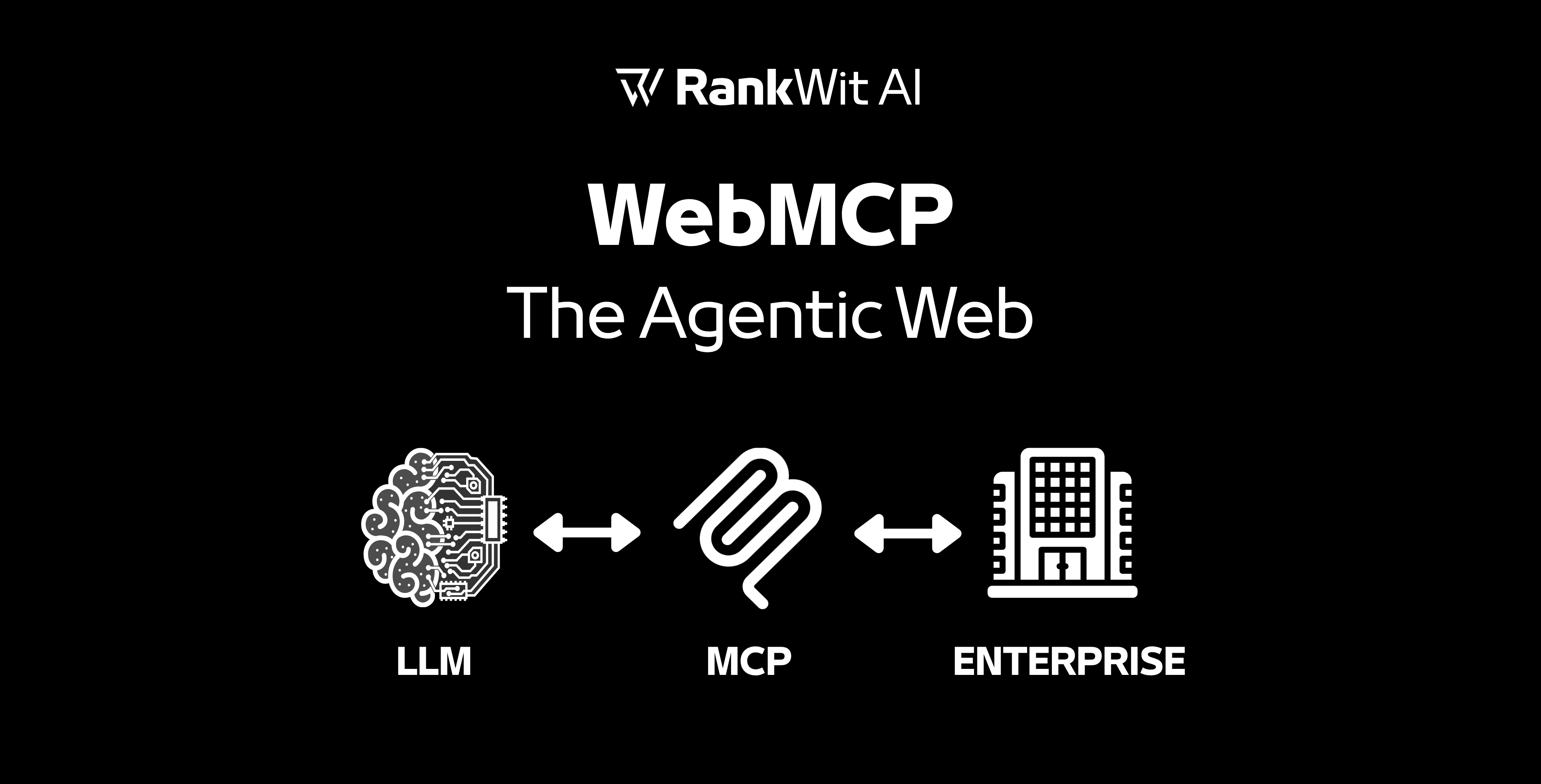
How does WebMCP differ from traditional web scraping when AI agents interact with websites?
While traditional scraping is fragile and prone to breaking when a website's design changes, WebMCP provides a reliable "handshake" between the site and the AI.
Direct Access: Agents call specific functions (tools) instead of searching for buttons in code.
Resilience: Site layout changes don't break the integration as long as the underlying WebMCP schema remains the same.
Efficiency: It significantly reduces the tokens and compute power needed for an AI to "understand" a page
How is optimizing for AI-driven search engines different from traditional search engine optimization?
While traditional SEO focuses mainly on keyword rankings and search result positions, AI search optimization emphasizes context, meaning, and relationships between topics. This approach helps AI systems better understand content and deliver more accurate responses to users.
How can B2B companies adapt their digital marketing strategies to remain visible in AI-powered search engines and generative search platforms?
To stay visible in AI-powered search environments, B2B companies must optimize content for semantic relevance, entities, and machine-readable signals. This includes creating authoritative content, implementing structured data, and building strong topical authority so AI systems can accurately understand and reference their expertise.
How does the EU AI Act impact SEO strategies, AI-generated content, and search engine transparency requirements in 2026 and beyond?
Compliance with the EU AI Act is fundamental to our search strategy. We help brands adapt to the new 2026 transparency obligations, ensuring their content is properly labeled and that their recommendation systems meet limited-risk standards—protecting both their reputation and visibility in international markets.
How can businesses use research papers and industry publications to improve their AI and SEO strategies?
By studying research papers, reports, and expert publications, businesses can gain a deeper understanding of new technologies, search behavior, and optimization techniques. These insights help organizations refine their strategies and adapt to evolving digital environments.
What are model optimization techniques and why are they important for improving the performance of AI systems and language models?
Model optimization techniques are strategies used to improve the performance, speed, and efficiency of artificial intelligence models. These techniques help AI systems process information more accurately while reducing computational costs and improving scalability.
What types of strategies are commonly used to optimize artificial intelligence models?
AI model optimization often involves techniques such as parameter tuning, improving training data quality, reducing model complexity, and optimizing computational efficiency. These approaches help ensure that AI systems deliver accurate results while maintaining strong performance.
What trends will shape the next generation of LLM optimization strategies?
Future LLM optimization strategies will focus on semantic understanding, strong entity signals, structured knowledge, and high-quality information sources. These trends will help AI systems deliver more accurate and context-aware responses.
Stay inspired with the latest stories, tips, and insights. Explore articles designed to spark ideas, share knowledge, and keep you updated on what’s new.
.svg)