📚 Learn, Apply, Win
Explore articles designed to spark ideas, share knowledge, and keep you updated on what’s new.
Large language models power many modern technologies, including AI assistants, conversational search systems, automated content generation, and customer support tools. Their ability to interpret natural language allows digital platforms to deliver more intelligent and interactive experiences.
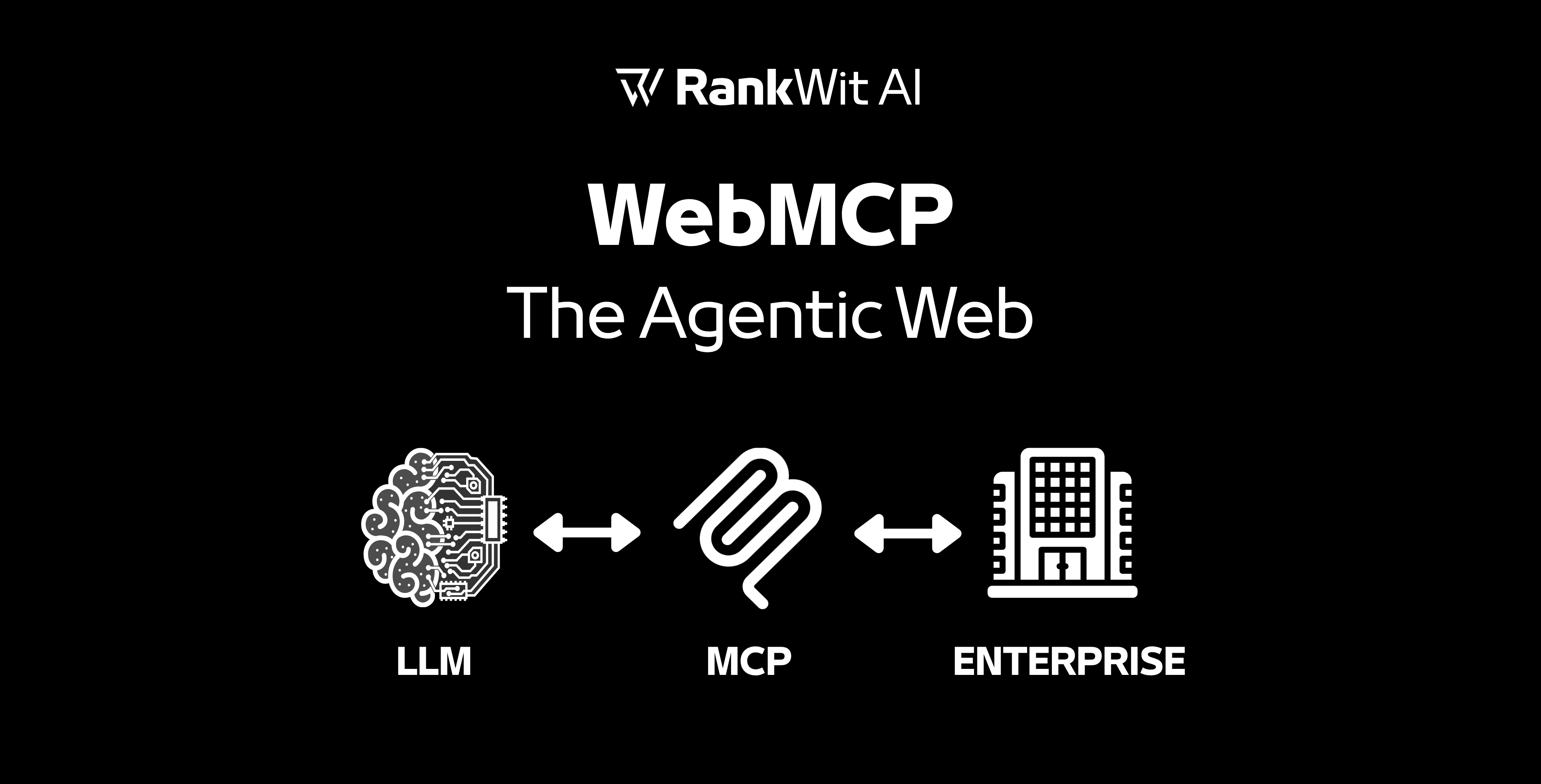
While traditional scraping is fragile and prone to breaking when a website's design changes, WebMCP provides a reliable "handshake" between the site and the AI.
Content that is well-structured, informative, and organized around clear topics is easier for retrieval systems to access and use. Structured headings, semantic clarity, and authoritative information increase the chances that content will be retrieved and used by AI systems during response generation.
Traditional SEO often focused heavily on keyword targeting and ranking pages in search results. AI-driven search, however, prioritizes context, expertise, and relationships between entities. For B2B companies, this means creating deeper, more authoritative content that AI systems can trust and reference when generating answers.
AI Search Optimization refers to the practice of structuring, formatting, and presenting digital content to ensure it is surfaced by AI systems—particularly large language models (LLMs)—in response to user queries.Choosing a clear, unified name for this emerging field is crucial because it shapes professional standards, guides tool development, informs marketing strategies, and fosters a cohesive community of practice. Without a consistent term, the industry risks fragmentation and inefficiency, much like early digital marketing faced before "SEO" was widely adopted.